Essential Best Smart Home Gadgets 2026 for a Smart Living Experience
Introduction to Smart Home Technology Trends in 2026
As we step into 2026, the landscape of smart home technology continues to evolve dramatically, offering innovative solutions designed to enhance convenience, security, and energy efficiency in our daily lives. With the proliferation of smart devices, homeowners are increasingly looking towards integrating these technologies to create a more automated and connected living environment. Understanding the latest trends and gadgets available this year is essential for making informed decisions regarding home improvements. For those seeking to explore the best smart home gadgets 2026, it is crucial to keep abreast of the advancements that can enhance lifestyle and functionality.
Understanding Smart Home Gadgets
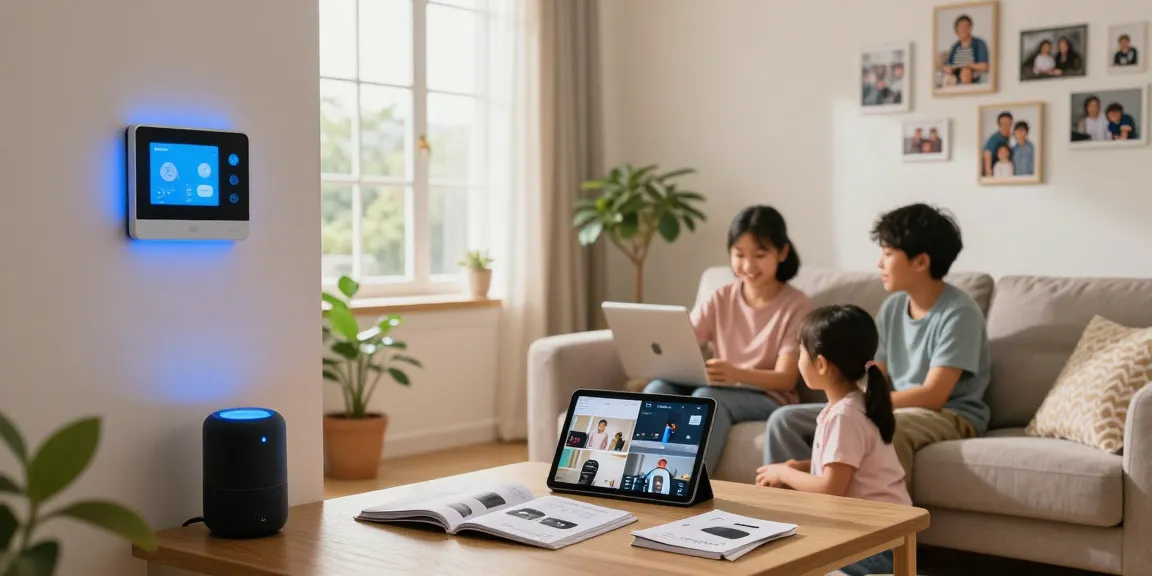
Smart home gadgets encompass a wide range of devices designed to automate everyday tasks and improve home management. These include smart speakers, thermostats, security systems, lighting controls, and kitchen appliances that connect to a network allowing for remote control and automation. By leveraging wireless connectivity, these gadgets can be monitored and controlled through smartphones or voice-activated services, creating convenient ways to manage home environments efficiently.
2026 Technology Advancements in Smart Homes
The technological advancements in smart home devices are primarily driven by innovations in artificial intelligence (AI), machine learning, and IoT (Internet of Things). As these technologies become more sophisticated, smart devices are gaining the ability to learn from user behaviors and preferences, enabling them to automate functions based on individual routines. Enhanced data security features are also increasingly vital, addressing consumer concerns about privacy and misinformation in a connected world.
Benefits of Integrating Smart Devices into Daily Life
Integrating smart home gadgets provides numerous benefits, including increased energy efficiency, improved security, and enhanced convenience. Automated home systems can adjust heating and cooling settings, optimizing energy use and reducing bills. Security features such as motion sensors and surveillance cameras offer peace of mind, allowing homeowners to monitor their property from anywhere in the world. Furthermore, smart devices streamline household management, enabling users to focus on more critical tasks and enjoy a higher quality of life.
Top Smart Home Gadgets of 2026
Best Smart Security Cameras for Peace of Mind
Home security has become a top priority for many homeowners, leading to significant advancements in smart security cameras. In 2026, the best options include 4K resolution cameras with enhanced night vision, smart facial recognition capabilities, and cloud storage options for easy access to footage. Brands like Ring and Arlo are setting the bar high with devices that not only record but also integrate seamlessly with other smart home systems, allowing for real-time alerts and monitoring.
Innovative Smart Thermostats and Energy Efficiency
Smart thermostats are a crucial component in achieving energy efficiency in homes. The latest models feature AI-driven algorithms that learn user behaviors to optimize heating and cooling cycles, which drastically reduces energy consumption. Devices like the Nest Learning Thermostat and Ecobee SmartThermostat are continually refining their capabilities, now offering geofencing technology that adjusts settings based on occupants’ proximity to home, ensuring maximum comfort and savings.
Must-Have Smart Speakers for Home Automation
Smart speakers serve as the hub of a smart home, allowing users to control connected devices via voice commands. In 2026, models such as the Amazon Echo and Google Nest Audio have expanded their functionalities, integrating with a wide array of smart gadgets. They offer advanced features like multi-room audio, streaming capabilities, and personalized routines, making them indispensable for creating a cohesive and intuitive smart home ecosystem.
How to Choose the Right Smart Home Gadgets
Assessing Your Home’s Smart Needs
Before investing in smart home technology, it’s essential to assess your specific needs. Consider what aspects of your home life you’d like to automate or improve. Whether it’s security, energy efficiency, or convenience, identifying your priorities will help streamline your decision-making process. Start small by integrating one or two devices and expand as you become more comfortable with your new smart ecosystem.
Compatibility with Existing Smart Home Systems
Another critical factor in choosing smart gadgets is compatibility with existing devices and platforms. Many smart home devices operate on specific ecosystems—such as Google Home, Apple HomeKit, or Amazon Alexa—so it’s vital to ensure the new products will integrate with your current setup. Checking compatibility can prevent headaches later on and promote a smoother user experience.
Budgeting for Smart Home Investments
Smart home technology ranges widely in price, so establishing a budget is important. Consider the long-term savings that smart devices can offer, such as reduced energy bills and enhanced security, and weigh these against the initial investment. Many affordable yet effective options exist for those just starting, and as technology advances, prices for high-end gadgets are likely to decrease, providing more value for consumers.
Installation and Setup of Smart Home Devices
DIY Installation Tips for Smart Home Gadgets
Many smart home devices are designed for easy DIY installation, allowing homeowners to set them up without professional help. Follow the manufacturer’s instructions carefully, and ensure your home’s Wi-Fi network is strong enough to support multiple devices. For those unsure about the installation process, online tutorials and community forums can provide valuable guidance.
Common Setup Problems and How to Solve Them
Despite the simplicity of setup, users often encounter common issues, such as connectivity problems or device conflicts. Ensuring all devices are updated to the latest firmware can resolve many issues. Moreover, restarting devices and checking network settings frequently helps alleviate common hiccups. If problems persist, customer service from the manufacturer can offer step-by-step troubleshooting assistance.
Leveraging Professional Services for Complex Systems
For those looking to create a comprehensive smart home system, it may be beneficial to consult professional installation services. These experts can design a smart home tailored to your needs, ensuring all devices work seamlessly together. Professional services can also provide ongoing support and maintenance, which may be valuable for individuals less tech-savvy.
Future of Smart Home Technology Beyond 2026
Emerging Trends and Innovations in Smart Gadgets
As technology continues to advance, the future of smart home devices appears promising. Innovations such as increased energy-saving features, enhanced security measures, and improved user interfaces are on the horizon. Furthermore, the integration of smart devices with renewable energy sources, like solar panels, is expected to become increasingly popular, allowing homeowners to achieve greater independence from traditional power grids.
The Role of AI in Smart Home Automation
Artificial intelligence will play a pivotal role in the future of smart home technology. AI algorithms are expected to enhance device interoperability, allowing devices from different manufacturers to communicate seamlessly. Additionally, advanced AI-driven predictive analytics will enable homes to anticipate user needs, creating an even more responsive and personalized living environment.
Predicting the Next Big Thing in Smart Technology
With rapid advancements in technology, predicting the next big trends can be challenging. However, technologies such as robotic home assistants, enhanced virtual reality integrations, and more autonomous systems may be on the verge of becoming commonplace in smart homes. These innovations will likely redefine how users interact with their living spaces, creating a more integrated and intelligent home experience.
What are the home technology trends in 2026?
Home technology trends in 2026 are characterized by a focus on seamless integration, enhanced security, and sustainability. Consumers are increasingly prioritizing devices that improve their quality of life while minimizing environmental impact. Innovations such as energy-efficient appliances, smart lighting systems, and advanced data analytics to optimize resource use are at the forefront of this evolution.
How can I secure my smart home devices?
Securing smart home devices requires several proactive measures. Start by changing default passwords and regularly updating device firmware to protect against vulnerabilities. Utilize secure networks with robust encryption and consider implementing a virtual private network (VPN) for an added layer of security. Lastly, stay informed about the latest security updates and best practices from manufacturers.
What are the best smart home gadgets for beginners?
For beginners, essential smart home gadgets include smart speakers, smart bulbs, and smart plugs. These devices offer straightforward functionalities and can serve as the foundation for a more extensive smart home system. They are typically easy to install and control via apps or voice commands, providing a simple introduction to smart home automation.
How do smart home systems interact with each other?
Smart home systems interact through protocols like Zigbee, Z-Wave, and Wi-Fi, facilitating communication between devices. Many ecosystems, such as Google Home and Apple HomeKit, enable users to create routines or automations that span multiple devices, enhancing convenience and efficiency. For example, a user might set their smart lights to dim when their smart speaker initiates a movie mode, creating a connected experience.
What should I consider before investing in smart home technology?
Before investing in smart home technology, consider your primary goals, existing infrastructure, and budget. Evaluate how devices will integrate with your current systems and whether they meet your specific needs. Additionally, research reviews and recommendations to ensure the products you’re considering are reliable and have a strong support network.